Discover the Keys to Effective Occasions Administration Via Comprehensive Services Provided
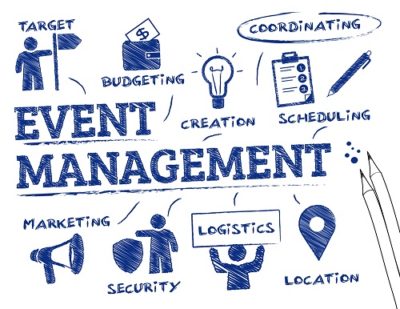
Successful events management needs a critical approach. It involves recognizing occasion objectives, choosing the appropriate venue, and effective budgeting. In addition, effective marketing and smooth logistics play essential roles. Engaging participants via interactive experiences can elevate the general impact. However, examining success and Event comments is similarly essential. Each facet interconnects to produce unforgettable occasions. What are the crucial elements that absolutely make an occasion stand out?
Recognizing Your Occasion Purposes
Clearly defining event goals is essential for effective occasion administration. Developing clear objectives offers a framework for all intending activities and decision-making procedures. Occasion coordinators need to identify the objective of the event, whether it is to educate, commemorate, or promote a service or product. This understanding shapes every facet, from the target market to the budget plan allowance.
Additionally, particular objectives promote efficient communication among stakeholders, ensuring that every person is lined up towards an usual vision. By verbalizing measurable outcomes, planners can assess success post-event, allowing for continuous renovation. In addition, a distinct unbiased aids in focusing on sources and tasks, streamlining efforts in the direction of accomplishing wanted results. Generally, understanding event purposes is not just a formality; it is a foundational aspect that drives the success of any occasion, greatly influencing its general effect and efficiency.
Picking the Right Location for Your Occasion
Picking the proper venue is vital for an occasion's success. Key elements to consider include the place's capability to suit visitors, its ease of access for guests, and the total setting that aligns with the event's style. By very carefully assessing these elements, event coordinators can produce an unforgettable experience that satisfies their goals.
Examining Place Ability Demands
Picking the proper place for an occasion rests on an extensive analysis of ability needs. Occasion planners should initially establish the anticipated variety of participants, as this significantly affects location selection. A venue that is also small can lead to congestion, while one that is exceedingly large may decrease the event's environment. Coordinators should also think about the kind of event, as different celebrations need different spatial plans, such as theater, reception, or classroom configurations. Additionally, it is vital to represent extra area for staging, audio-visual devices, and catering solutions. By examining these elements, occasion supervisors can guarantee that the selected location not only fits guests pleasantly however additionally improves the total experience for every person included.
Area Accessibility and Logistics
While the place's ability plays an important duty in event planning, its access and logistics are similarly important for making sure an effective event. A well-chosen area needs to be easily reachable by different transportation techniques, including public transportation, taxis, and vehicle parking centers. This accessibility enables participants to show up without inconvenience, boosting their overall experience. Furthermore, the place's layout should help with smooth motion, specifically for those with mobility difficulties. Logistical factors to consider, such as establishing up audio-visual tools and event catering services, ought to likewise be factored in to prevent interruptions. Eventually, prioritizing accessibility and logistics not only promotes a welcoming setting but likewise adds greatly to the event's success and guests' satisfaction.
Ambiance and Aesthetic Appeal
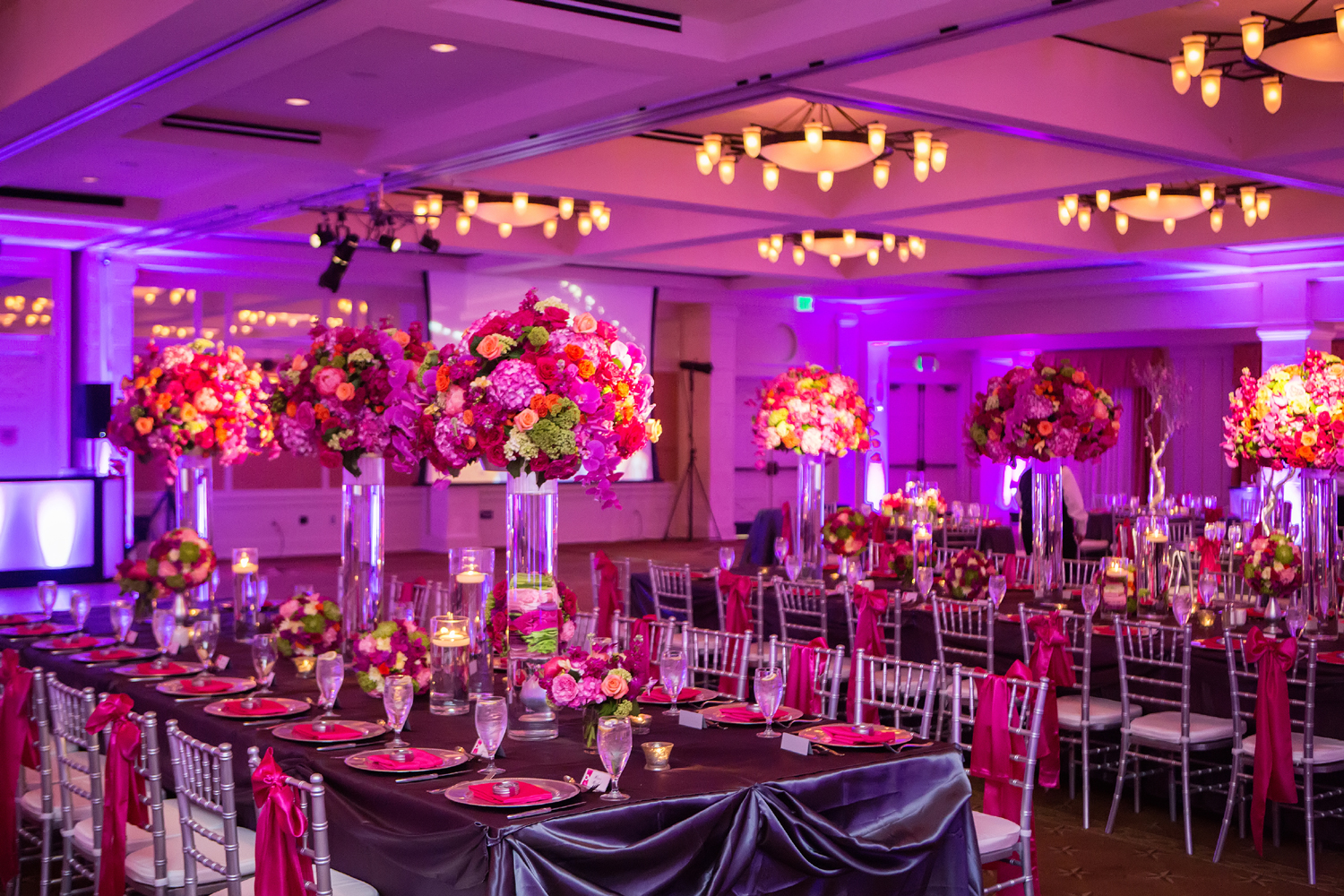
The setting and visual allure of a place play a crucial function in establishing the tone for an event, affecting participants' feelings and overall experience. A well-chosen venue enhances the thematic components of the celebration, whether it's a business event, wedding celebration, or social party. Factors such as format, illumination, and design contribute substantially to producing an inviting atmosphere. A historic building may evoke fond memories, while a contemporary space can motivate advancement. Additionally, the place's surroundings, consisting of views and exterior spaces, can additionally elevate the experience. Ultimately, picking a location that aligns with the event's goals and desired state of mind is necessary for successful occasions monitoring, making certain that guests entrust to long lasting perceptions and memories.

Budgeting: Allocating Resources Effectively
Effective budgeting is necessary for successful occasion management, as it ensures that sources are assigned in a way that optimizes impact while lessening waste. Developing a comprehensive budget plan involves recognizing all potential expenses-- place, wedding catering, enjoyment, and logistics-- to create a practical monetary structure. By evaluating the concerns and objectives of the occasion, supervisors can allocate funds efficiently, making certain crucial elements get appropriate investment.
Routine tracking of expenditures throughout the preparation procedure is vital to remain within budget and make needed changes. Utilizing tools such as spreadsheets or budgeting software program can improve this process, enabling real-time tracking and forecasting. Moreover, participating in settlements with vendors can result in cost financial savings without jeopardizing high quality. Inevitably, reliable source allocation via careful budgeting adds helpful hints to the overall success of an occasion, producing unforgettable experiences while adhering to financial constraints.
Marketing Your Event Properly
Reliable advertising and marketing is essential for the success of any kind of occasion, starting with the recognition of the target audience. Making use of social media sites systems enables for broader reach and engagement, while developing engaging web content records interest and motivates engagement. Together, these approaches form a foundation for impactful occasion promotion.
Target Target Market Identification
Social Media Site Promotion
Social media acts as a powerful device for event promotion, enabling organizers to get to a large target market with very little expense. By leveraging systems such as Facebook, Twitter, Instagram, and LinkedIn, event managers can produce targeted projects that get in touch with possible participants. These platforms allow for the sharing of event information, updates, and involving visuals, which can significantly raise visibility. Hashtags and partnerships with influencers further improve outreach efforts, drawing in varied demographics. In addition, social networks facilitates real-time communication, making it possible for organizers to respond to queries and comments immediately. This immediate engagement promotes a sense of neighborhood and expectancy surrounding the occasion, ultimately adding to higher participation rates and an effective event monitoring technique.
Engaging Material Production
Creating engaging content is vital for marketing an occasion properly, as it captivates the target audience and encourages participation. Quality content can take numerous forms, consisting of blog messages, video clips, infographics, and social media updates. Each piece ought to communicate the event's value, highlighting key speakers, tasks, and unique experiences. Consistency across systems reinforces brand name acknowledgment and fosters audience trust fund.
Integrating storytelling techniques can stimulate feelings, making the event extra attractive and relatable. Using clear contact us to action triggers possible participants to share or register details with others. Furthermore, leveraging user-generated web content, such as testimonials or images from past occasions, can boost authenticity and develop a sense of area. Eventually, involving material is a keystone of successful occasion advertising strategies.
Logistics: Ensuring Smooth Procedures
Logistics is the backbone of effective event administration, ensuring that every information lines up seamlessly to produce a memorable experience. This essential aspect incorporates various aspects, consisting of venue option, transport, tools procurement, and on-site control. Effective logistics preparing starts long before the event date, calling for precise scheduling and source allowance.
A well-organized logistical framework helps with smooth interaction among suppliers, team, and attendees, decreasing prospective interruptions. This includes managing timelines for configuration, ensuring that audiovisual devices is practical, and working with catering services. Furthermore, contingency strategies need to remain in place to deal with unanticipated conditions, such as severe weather condition or technical failings.
Involving Guests Through Interactive Experiences
Exactly how can event organizers change a standard Event into an extraordinary experience? By integrating interactive components that involve participants on several degrees. This might consist of hands-on workshops, live presentations, or immersive innovation such as online fact. These activities not just boost interest yet additionally foster networking opportunities among participants.
Organizers can utilize gamification techniques, where participants complete in challenges or tests connected to the occasion's theme. Such activities boost involvement and make the experience a lot more memorable. Additionally, incorporating target market response systems permits real-time feedback and interaction, which can make individuals feel much more invested in the event.
Developing rooms for informal discussions, such as lounges or outbreak anchor rooms, even more encourages communication. By prioritizing these interactive experiences, event organizers can cultivate a dynamic environment, guaranteeing guests entrust beneficial links and lasting impacts, eventually elevating the total success of the event.
Reviewing Event Success and Event Feedback
After fostering an interesting atmosphere via interactive experiences, assessing the occasion's success becomes important. This process involves collecting qualitative and measurable data to evaluate guest satisfaction and total influence. Studies and feedback types Web Site are important tools, permitting participants to reveal their opinions on numerous elements, such as material relevance, audio speaker effectiveness, and logistical arrangements.

Evaluating presence metrics, engagement levels, and social networks communications also provides vital understandings. This data makes it possible for event planners to recognize strengths and weaknesses, assisting in informed decisions for future events. Additionally, follow-up interviews with crucial stakeholders can reveal much deeper perspectives on the event's effectiveness.
Eventually, gathering comments not just determines success however likewise cultivates a culture of continual improvement. By prioritizing evaluation, event supervisors can boost their techniques, making certain that each Event fulfills or exceeds participant assumptions while achieving organizational objectives. This commitment to representation strengthens the structure for future effective events.
Regularly Asked Concerns
What Are the Essential Skills for an Event Manager?
Essential skills for an occasion supervisor include solid interaction, organizational capabilities, problem-solving ability, time administration, creative thinking, budgeting knowledge, management qualities, and adaptability - Charlotte Event Companies. These abilities allow effective control and execution of successful events throughout different setups
Just How Can Modern Technology Enhance Occasion Administration Services?
Innovation enhances occasion administration services by simplifying preparation procedures, facilitating communication, automating jobs, and supplying data analytics. These advancements make it possible for occasion managers to enhance effectiveness, engage guests, and produce customized experiences, ultimately bring about successful events.
What Licenses or authorizations Are Normally Needed for Events?
Normally, events require authorizations such as public assembly, alcohol licenses, health and wellness licenses, and sound permits. Requirements vary by area, event kind, and size, demanding careful planning to assure conformity with regional policies.
Just how Do You Handle Unexpected Challenges Throughout an Event?
To handle unforeseen challenges throughout an occasion, efficient organizers keep versatility, connect promptly with groups, and design backup strategies - Charlotte Event Companies. Quick problem-solving and flexibility warranty that disturbances are handled effectively, decreasing influence on the occasion's success
What Are the very best Practices for Post-Event Follow-Up?
Post-event follow-up ideal practices include sending out thank-you notes, gathering comments through surveys, assessing occasion success metrics, and sharing highlights on social media sites. This strategy fosters connections and aids in the planning of future events.
Plainly specifying occasion objectives is necessary for effective occasion administration (Charlotte Event Companies). Event planners should identify the purpose of the event, whether it is to educate, celebrate, or promote an item or solution. Event planners must first determine the anticipated number of participants, as this significantly influences venue selection. Including storytelling methods can evoke feelings, making the occasion extra appealing and relatable. Usually, events call for authorizations such as public assembly, alcohol licenses, wellness and security permits, and sound permits